Uncategorized

Uncategorized

Athletes have to be mindful of what they eat before, during and after training. 

Athletes have to be mindful of what they eat before, during and after training.  Food choices and timing of meals has a direct impact on their sports performance  Eating is an activity essential for human survival. When it comes to athletes, they must eat the right foods in order to ensure adequate nourishment, which will allow them to train more efficiently, enhance their performance, recover faster, reduce fatigue as well as the risk of illness and injury. Zorawar was a great junior football player and played well at tournaments. He fell sick before a major tournament and away from the sport for 3 weeks. Boredom caused him to feel hungry all the time. This led to mindless eating and constant grazing on food, and, the outcome was obvious- he gained weight. He struggled with his masterstrokes and skills on the pitch. Coach put him in reserve for an upcoming tournament. Rhea, a super-talented teenage skater, went for a competition in Belgaum and loved the street food there. Mindless eating led to severe stomach upset followed by a drop in her performance. What do these stories tell us? The stories emphasise the need to be mindful of eating habits, food choices to enhance sports performance and remain at peak. Athletes need to develop a healthy relationship with food. Mindless eating, and food choices can hamper their performance. What is mindful eating? Mindful eating is based on the concept of mindfulness. Mindfulness refers to the state of being completely present and putting your complete focus into whatever we are doing at one given point of time. Mindful eating is engaging your complete presence and awareness while eating food. Mindful eating is being aware of what, why and how you are eating without any guilt or judgement. It is about savouring food with all your senses and being aware of internal factors- hunger, fullness and energy levels as well as external factors- smell, sight of food and your desire to eat. What are the key benefits of mindful eating for athletes? 1.Helps them focus on their sport better by reducing the stress caused by constant calorie counting, as well as strict food related rules. 2.Being mindful may also help in ensuring adequate hydration for athletes. 3. Helps athletes understand their body needs and apply sports nutrition rules to the special needs of their own body, in order to balance between periods of training, recovery and rest. 4.Helps to develop a positive relationship with food and reduces the risk of eating disorders among athletes. 5. Prevent  binge-eating and under-eating episodes, as well as eating in response to emotions 6.Being non judgemental promotes acceptance of their performance on field, acceptance for their bodies and helps athletes achieve the ideal, sports relevant weight and body composition without stress and strict restrictions. 7. Being patient is a skill and value that every athlete needs to develop irrespective of the sport. What are some quick & easy-to-follow tips that athletes should implement? 1. Believe that eating is a nourishing, wholesome and pleasant activity. 2. Enjoy food with all your senses. Before you even put the food in your mouth, notice the appearance, texture, aroma of the food and then taste and savour the food. 3. While eating, focus on how your body feels, observe the hunger and satiety cues. 4. Avoid counting calories 5. Do not skip meals 6. Plan ahead and eat meals based on training- pre-during and post exercise 7. Avoid distractions of phone, television during eating 8. Keep the negative thoughts away Be kind to yourself- nourish and nurture with patience and consistency Blog by Arwa

Uncategorized

Why Do Athletes Throw Up During Intense Trainnig

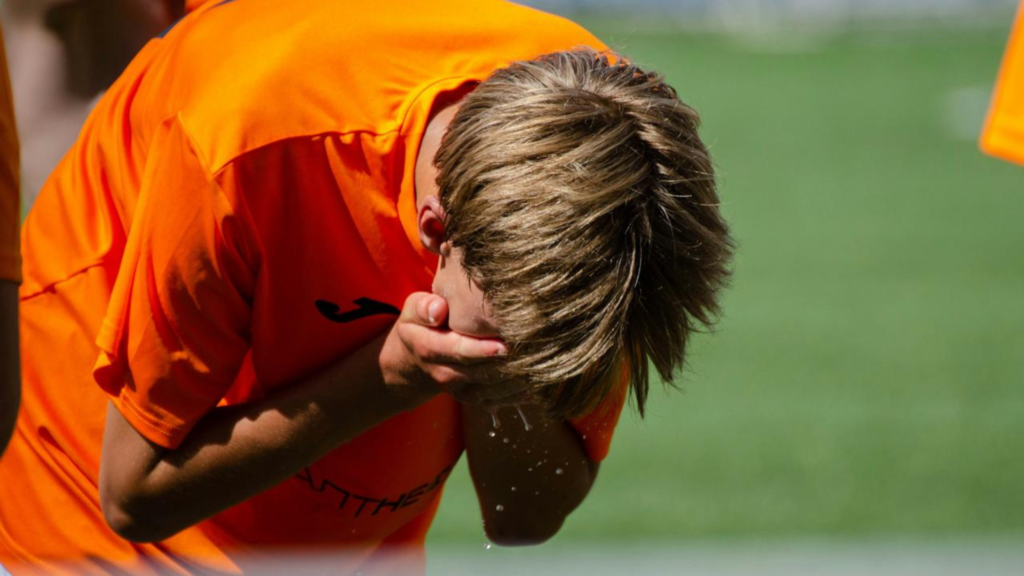
Why Do Athletes Throw Up During Intense Training? Anil is doing his time trial test on the rowing ergometer. The coach and other fellow athletes are constantly encouraging him to finish the race with a good time. However, he is finding it difficult and says “I think I am going to puke” and I can’t stretch further. This appears to be a common occurrence in many endurance sport athletes. Gastrointestinal disturbances are seen in 20-70% of athletes among varied sports. Let us understand why this happens, how to prevent and cure it. Nausea and vomiting during or after a high intensity training session that halts further training can be caused due to various reasons- Compromised blood supply to digestive tract: During training, the body delivers the oxygenated blood to the working muscles and that imposes a reduced blood supply to the GI (gastrointestinal)tract which affects digestion and absorption of foods and fluids consumed before or during the training. Excess lactic acid formation: Training at high intensity for longer duration increases lactic acid levels in the body. High lactic acid beyond a threshold of an individual raises the acidic levels. As a defence mechanism to eliminate acidic content, the brain signals athletes to puke/vomit. Exercise-induced hyponatremia: Excess intake of water before and during training session or low sodium intake causes hyponatremia that can also contribute to nausea and vomiting. Delayed gastric emptying: Eating a meal high in complex carbohydrates (high in fibre, high protein foods, high fat foods( fried food) takes a longer time to digest and in turn delays gastric emptying. While training at high intensities this undigested food refluxes causing nausea and vomiting. Dehydration: Dehydration can also cause digestive tract disturbances, another reason to experience nausea and vomiting. In very rare cases it may occur due to acute renal failure, Food-dependent exercise-induced anaphylaxis, and Heat stroke. How to prevent it from occurring: Stay hydrated: Drink enough water before and during training to keep yourself well hydrated. Carbohydrates and electrolytes: Sports drinks/Diluted fruit juices with salt containing different transportable sugars such as glucose, sucrose and fructose, and electrolytes(sodium and potassium) should be consumed during exercise. Plan meals: Plan your meals wisely with proper nutrient composition that aids proper digestion before training sessions. Do not have a large meal right before the session, always eat 2 or 3 hours before training. A small snack can be consumed an hour before training- e.g. Banana/fresh dates or raisins. Beet it: Nitrates/nitric oxide is known to increase blood supply to the GI tract.It also improves oxygen supply to working muscles.Drink beetroot juice 1-2 hours before training. Rest and recovery: Avoid training when already very tired. Focus on getting adequate rest and recovery. Training: Well-structured training will help to improve lactate threshold- delay the onset of lactate production and also aid its removal. Avoid junk: Avoid fried, spicy foods just before exercise. How to curb the puky feeling during exercise Slow down: Do not stop but lower the intensity Sip on: carbohydrate and electrolyte drink-do not gulp Stretch and relax- to slowly eliminate lactic acid from muscle. Rest-Relax-Recover In conclusion: Throwing up or Puking due to intense exercise is common among athletes, but it can be prevented or taken care off. Athletes can avert this following the above tips and guidelines

Uncategorized

The Untold Story of Abhay’s Journey: When Sports Overshadow Education

The Untold Story of Abhay’s Journey: When Sports Overshadow Education Abhay an 18 year old Racket sport player has been playing since childhood. He has been a sensation on court and has won many tournaments for over a decade now. Life for Abhay was just his sport-wake up at dawn, racket, court, training and applause from spectators. Although Abhay has been around playing the sport for quite some time, he had never consulted a Nutritionist. When we met for the first time- I had many questions to ask-like “What was his training routine?”, How do you recover from training? What foods do you eat? How’s your sleep quality?. Abhay was puzzled as no one till date had asked him such details before. Until that point, his life was about “train, eat, sleep, repeat”. He struggled to answer many of my questions. He was so immersed in training and practice that he had not thought about many important aspects of performance and life skills. Over the next six months, as we worked together, he became more comfortable and was able to communicate better. He learnt the importance of food, nutrition and recovery to succeed in sport. It felt like we were finally making progress. However, in one of the highly competitive tournament -Abhay suffered a severe injury. It was a big blow to him and was advised full rest for 6 months. The injury wasn’t just painful but mentally devastating. The thought of being away from the game was more unbearable than the injury itself. In the midst of all this- I suggested Abhay to take this as an opportunity and finally attend college. Abhay had earned his college admission through a sports quota, but had never attended it. All through his school years, he only visited school for exams. Most of his school days were spent in training and tournaments. The idea of attending college was terrifying for him. “What if I can’t follow the lectures?” he asked nervously. How can I sit at one place for so long? How do I talk to professors? What will my classmates think of me? Will they judge me for being different? With a little push from his parents, coach and me Abhay decided to attend college. It wasn’t easy but he adjusted to a new environment. He discovered a world apart from sports. He overcame his fears, was able to interact with peers and teachers. Six months flew and Abhay was able to resume his sport. Abhay’s story is not unique. His fear reflects a major issue faced by many young athletes. Many Indian parents and budding athletes are taking sports seriously. If an athlete is good at sport- parents immediately shift their child to full time sports training academies. Drop outs from school, open schooling has increased. While their talent and dedication to sport is extraordinary- sporting career is quite volatile. It’s difficult to sustain, if an injury strikes the career and ambitions go for a toss. Parents need to think about this important aspect- before they discontinue their child’s schooling. Sports teach valuable life lessons like discipline, teamwork, resilience, but cannot replace the foundational knowledge and life skills gained through education. Formal education can help them to grow better. Striking a balance is necessary. For athletes, the real victory lies not just in winning medals but in finding a balance that allows them to thrive both on and off the field. Disclaimer: The insights shared are based on true-life experiences of working with Indian athletes and are intended to create awareness. The information shared on nutrition and meal plans is not for direct translation into practice. Please consult a qualified sports nutritionist to address your concerns. Lorem ipsum dolor sit amet, consectetur adipiscing elit. Ut elit tellus, luctus nec ullamcorper mattis, pulvinar dapibus leo.

Scroll to Top